
Synthetic nature: how brands communicate biomaterials across U.S.
Maximino Matus Ruiz, Akvile Amada Sataite
(…) Herbert Simon explained in The Sciences of the Artificial (1969) the difference between the artificial and the synthetic: “a gem made of crystal and colored to resemble a sapphire will be called artificial, whereas a gem made by humans chemically indistinguishable from a sapphire will be called synthetic” (Simon, 1969).
In other words, the artificial imitates objects by reproducing some of their characteristics, while the synthetic creates new objects that are practically indistinguishable from the originals.
While some cultures reproduce nature and its patterns—biomimicry, to adapt to the environment, others create synthetic nature that not only adapts to the environment but also has the potential to contribute to its preservation.
In this case study, we present the results of ongoing research on how brands communicate biomaterials across the U.S. The interest in this topic is related to the production of grape-based leather by Xquenda_lab, a public laboratory in Tijuana that promotes cultural and linguistic revitalization among the Mexican Indigenous population. (…) The expected market is the U.S., specifically California. (…)
The main challenge lies in the fact that biomaterials are not 100 percent “natural”; they are synthetic nature, a dissonant concept for most consumers, since the opposition between nature and the synthetic is one of the main foundations of Western modernity. We are entering a synthetic era -IA, DNA editing- and therefore it is important to create narratives that bridge the division between the natural and the synthetic realms.
The audience will gain
– analytical framework that can be applied to evaluate or design communication strategies for any complex or emerging material.
– conceptual tools – drawn from biosemiotics – that help create more precise and responsible narratives around emerging materials- insight into how to apply semiotics for social benefit.
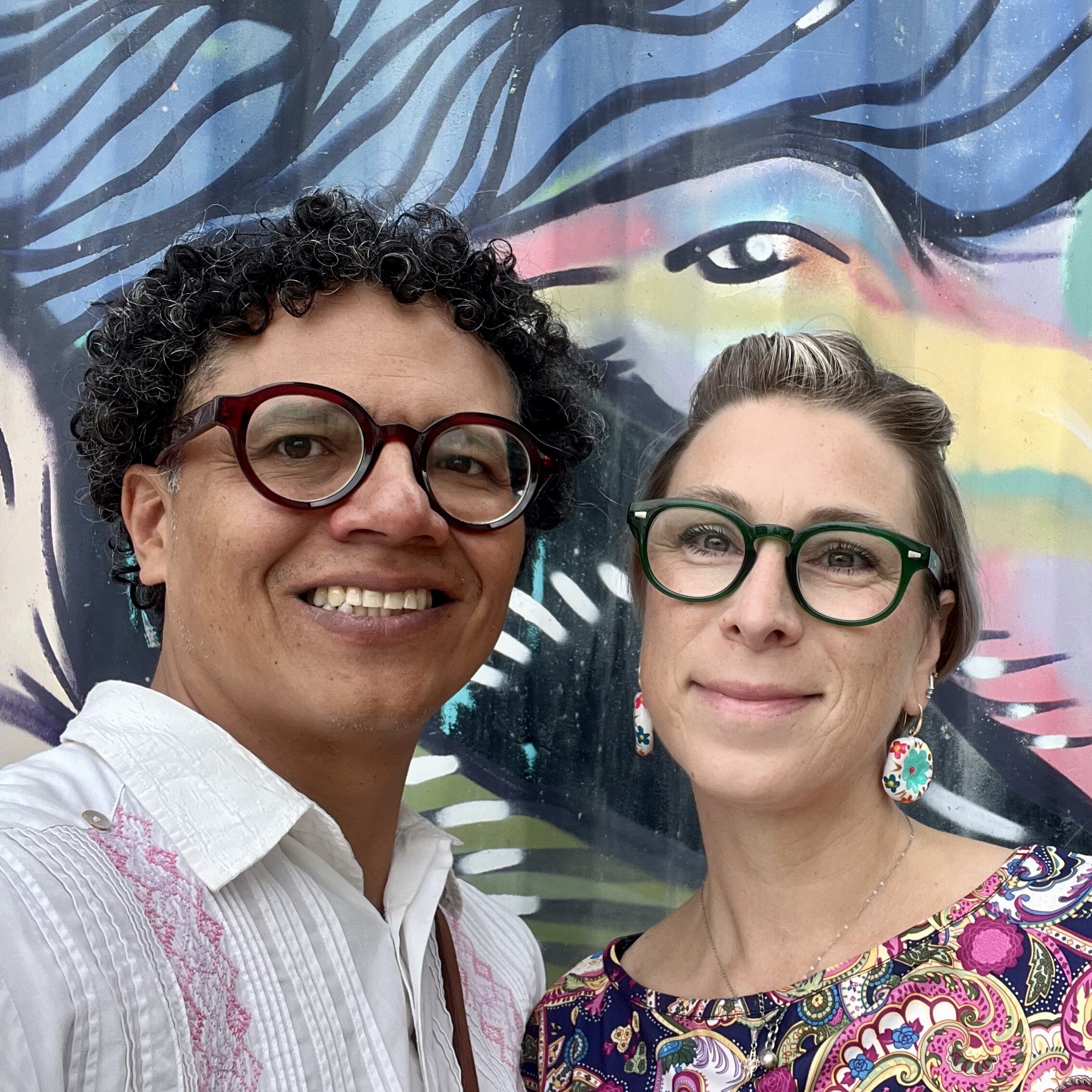
Maximino Matus Ruizx
Max Matus is a Zapotec indigenous scholar and consultant. In his professional career as consultant -25 years of experience-, Max have worked for the public and private sector, developing qualitative research with a semiotic and anthopology lens, for the evaluation and innovation of products, services and public policy in México, U.S.A and LATAM.
Akvile Amada Sataitex
Akvile Amada Sataite is a Lithuanian philologist, communication specialist, and designer. In her professional career — over 15 years of experience — she has worked in advertising, marketing, and publishing, including creative agencies. For the past 7 years, Akvile has been based in Tijuana, Mexico, working at Semiosfera, developing qualitative research with a focus on meaning-making in communication and visual media.