A venue that slows the city down
Teatr Komuna Warszawa
31 Emilii Plater Street
www.komuna.warszawa.pl
In the center of Warsaw, between high rise certainty and street level improvisation, Komuna Warszawa Theatre offers a venue that feels viscous in the best sense. Here ideas do not just pass through. They slow down, thicken, begin to bubble, and find new points of connection.

From anarchist community to an independent cultural laboratory
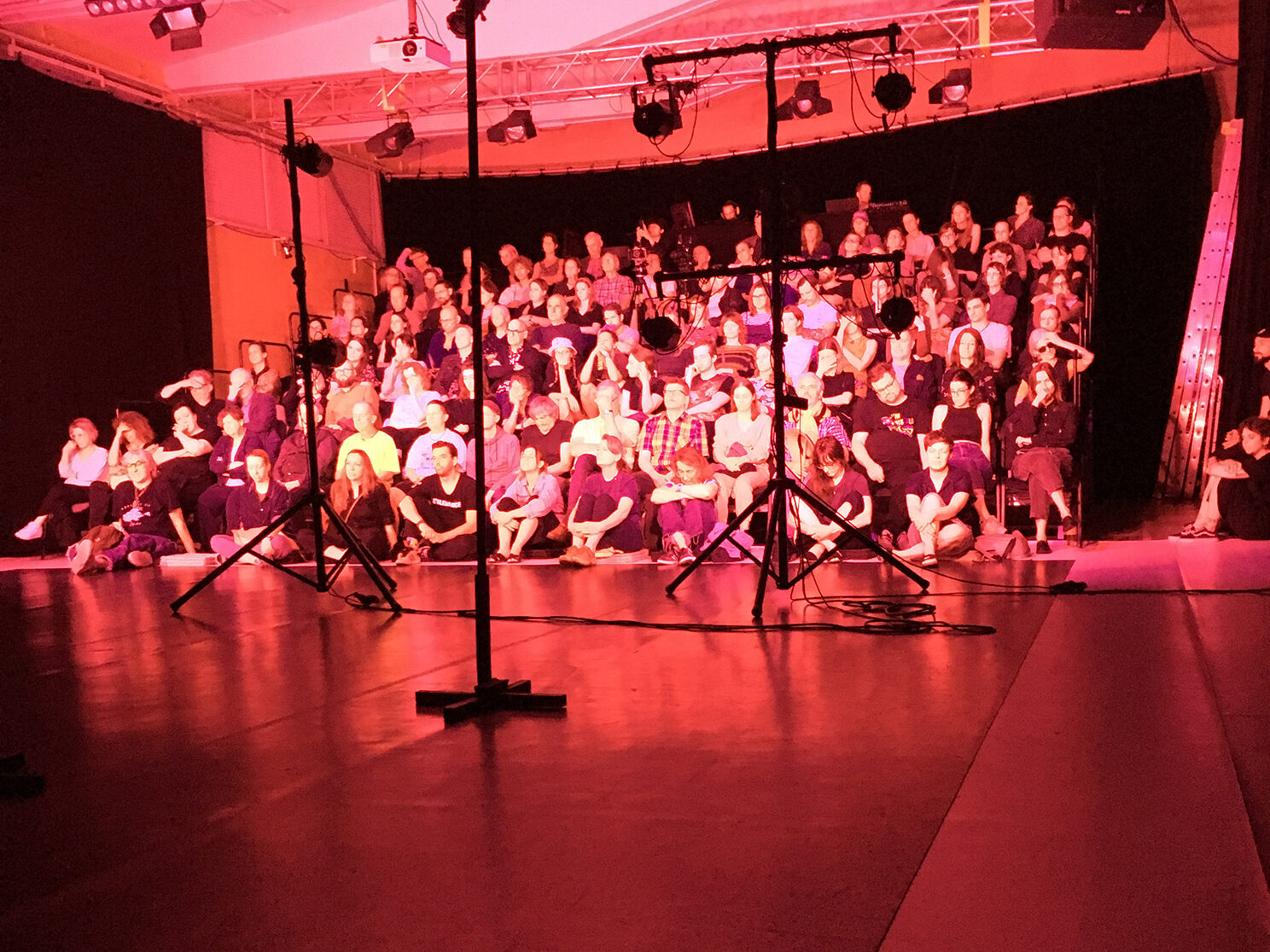
The story of Komuna begins in 1989 as Komuna Otwock, an anarchist community of action formed by students at the moment Poland was rewriting its social, political, and economic contracts. From the start it carried an ambition to change reality and actively shape the future, treating performance as both tool and method of public thinking. Experimental and interdisciplinary, it stayed close to civic life rather than retreating into art for art’s sake.
That lineage is still visible in Komuna’s identity as an independent scene where theatre, performance, music, and visual practices meet, and where the audience becomes part of the social equation rather than remaining only spectators. Over time Komuna has also become an open civic cultural institution, oriented toward social change and innovation, while keeping the edge of a laboratory that tests what collective life can look like.
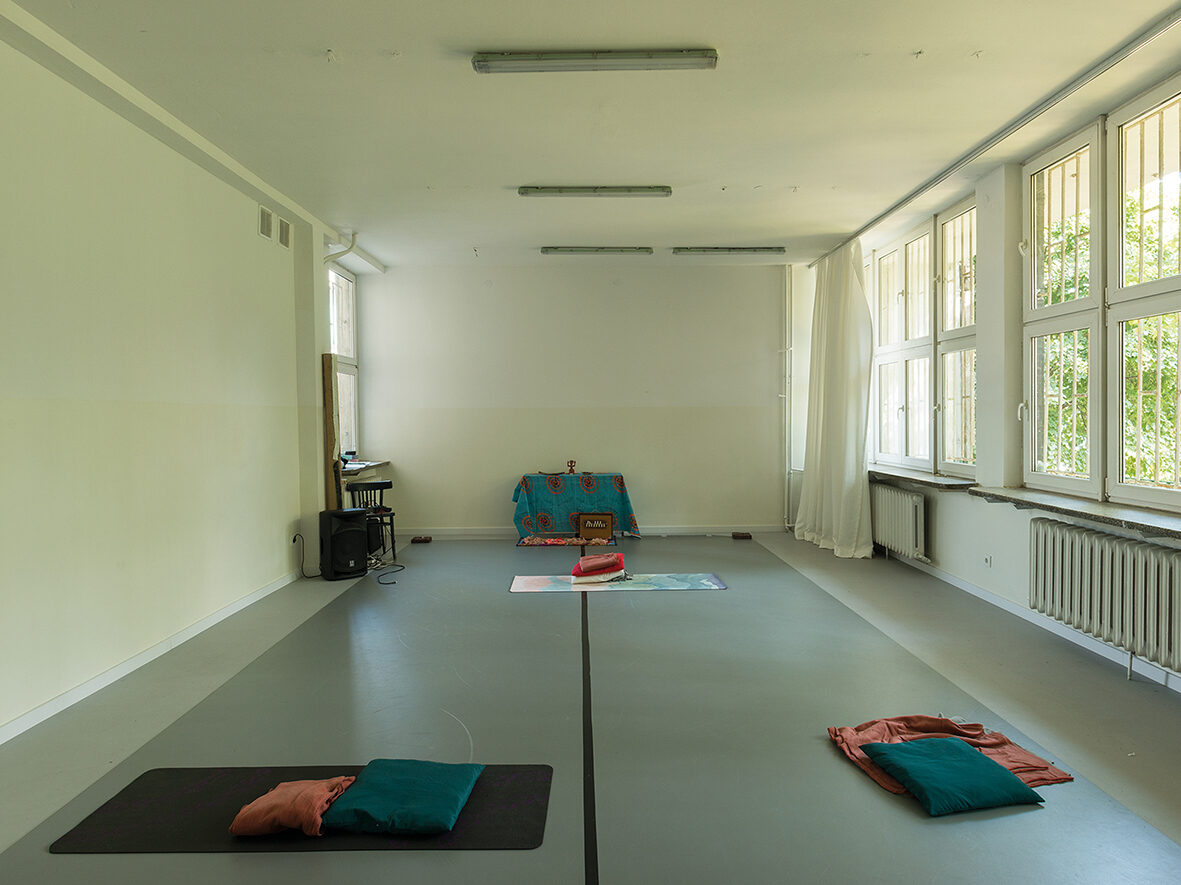
A practical utopia in the city center
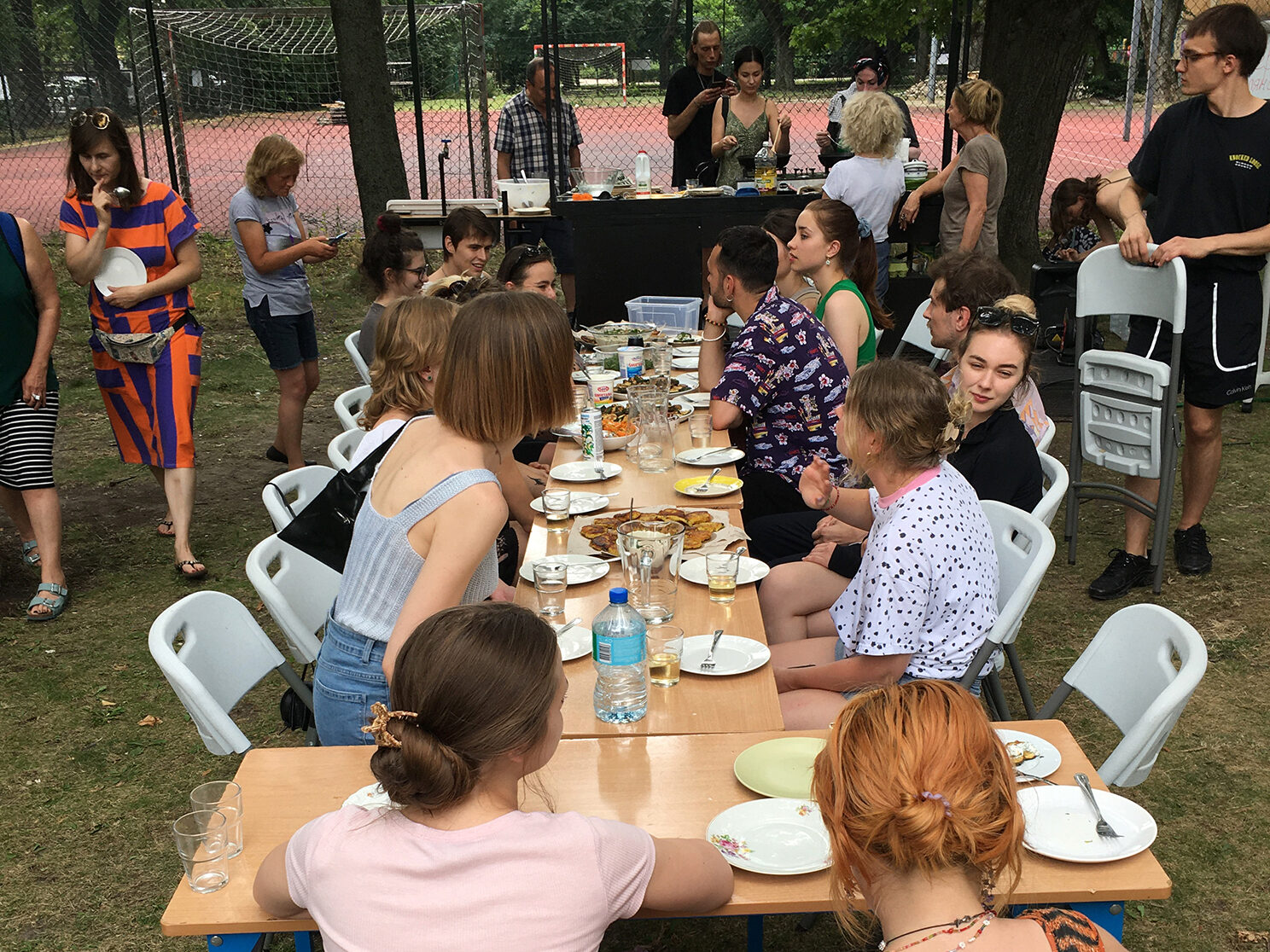
Komuna’s home is a practical utopia. Not a fantasy, but a working proposal about what the city center can still be. The idea of a social and cultural quarter insists that downtown space can remain porous. It can host culture, greenery, and the everyday presence of artists, neighbours, activists, tourists, and intellectuals alongside the city’s speed and vertical ambition. The utopia here is realistic and maintained through use. Doors open, rooms are actively used by a wider ecosystem of independent makers and organizers, from community media and sound projects to dance collectives and visual artists, and the place keeps proving its point.
A modernist school clinging to the glass towers
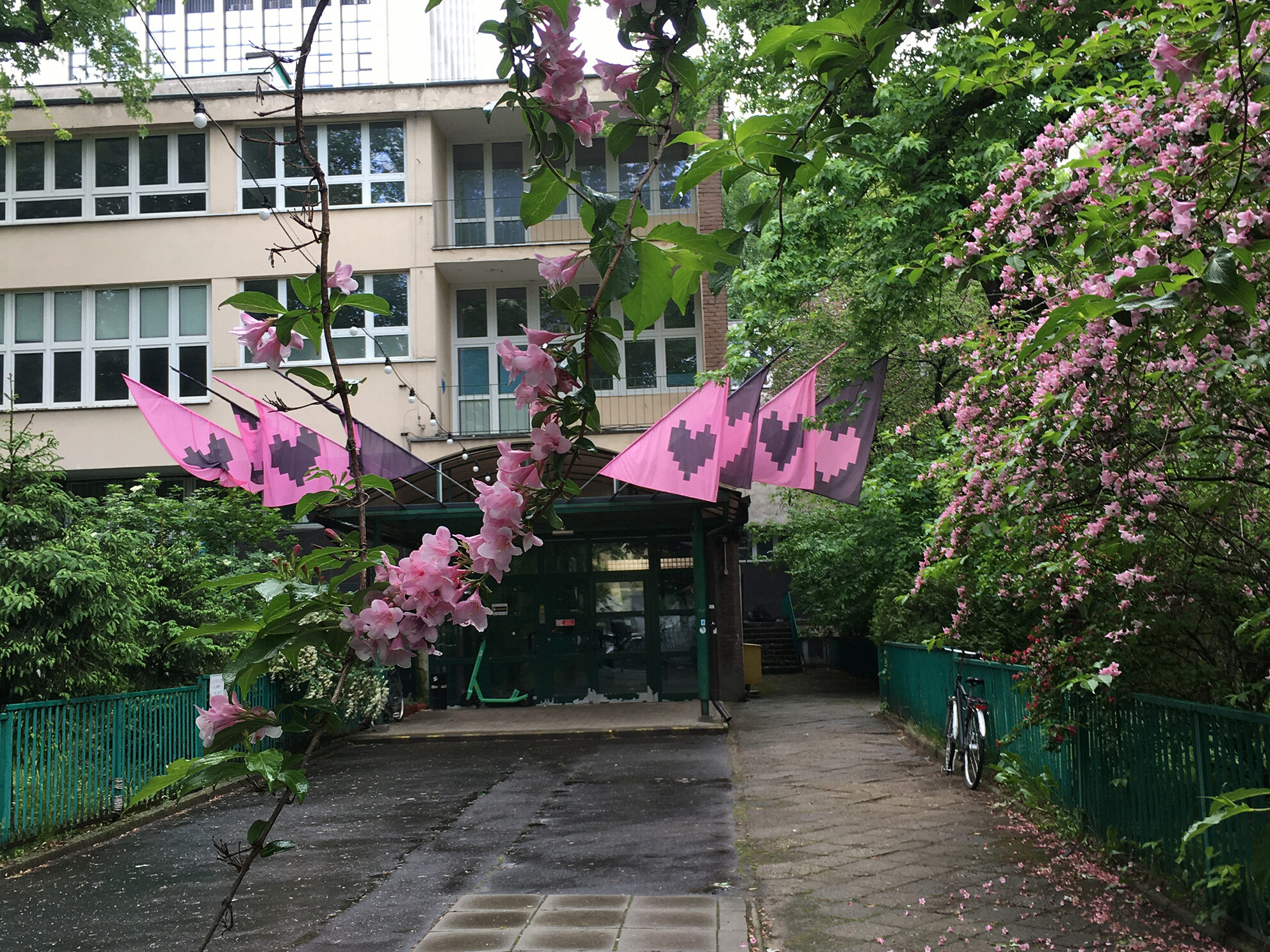
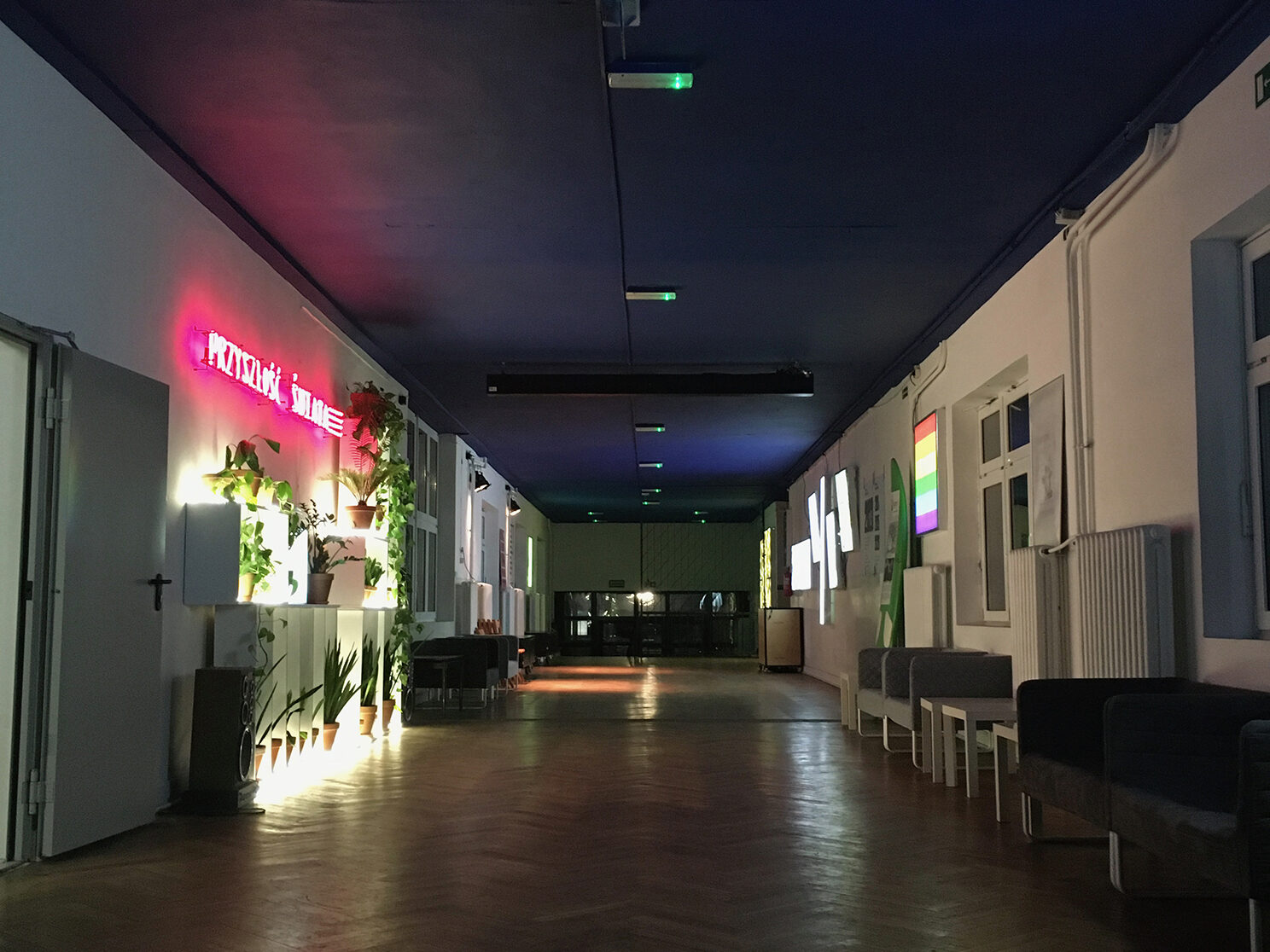
Komuna Warszawa Theatre is headquartered in a former elementary school, a two storey modernist building with greenery and an interior courtyard, repurposed after years of disuse. The location sharpens the story. This pocket of ground sits between historic skyscrapers that became architectural icons of Poland’s transformation, on land connected to the area’s former pomological garden (a community orchard), a reminder that downtown has had many pasts.
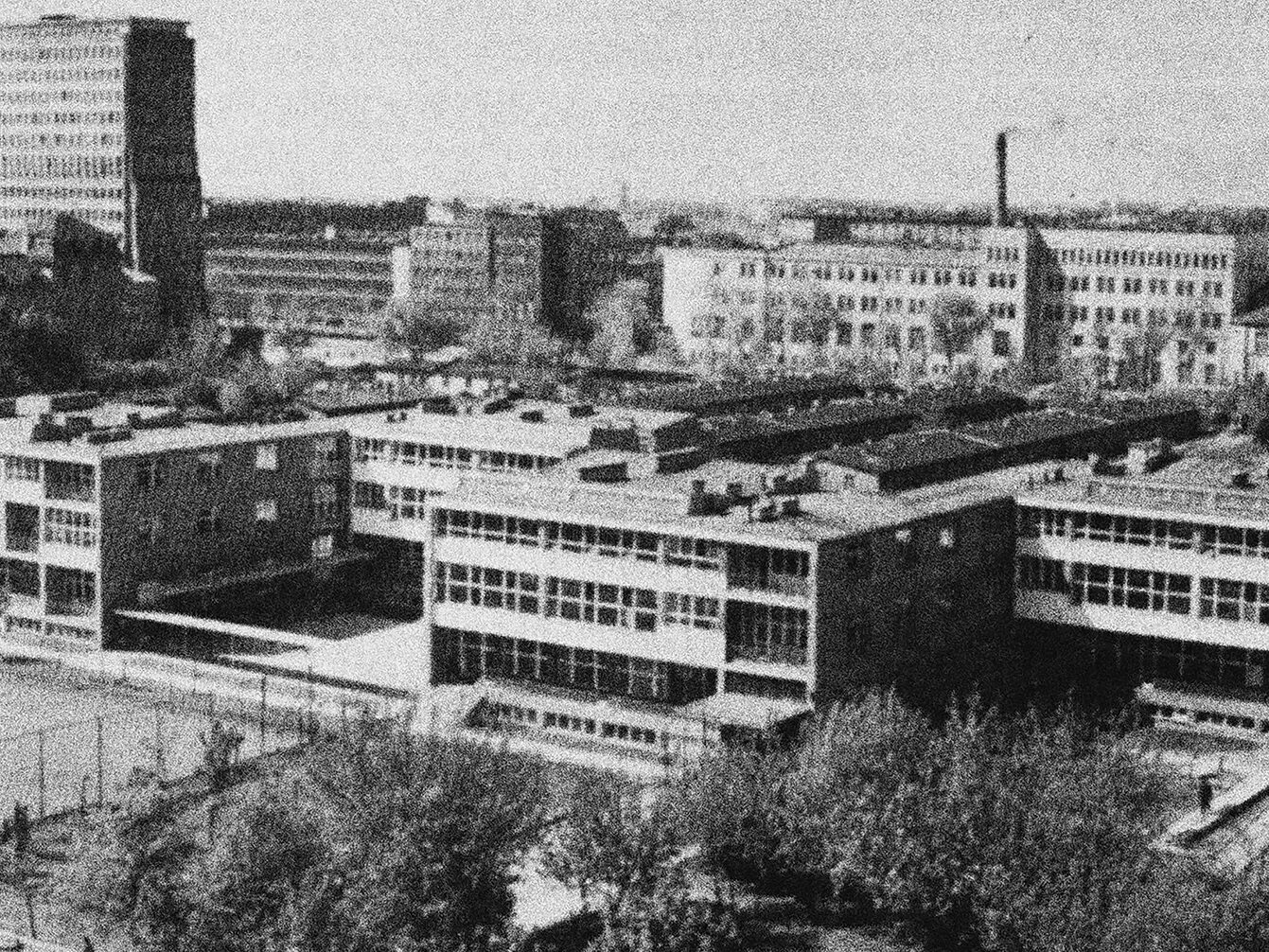
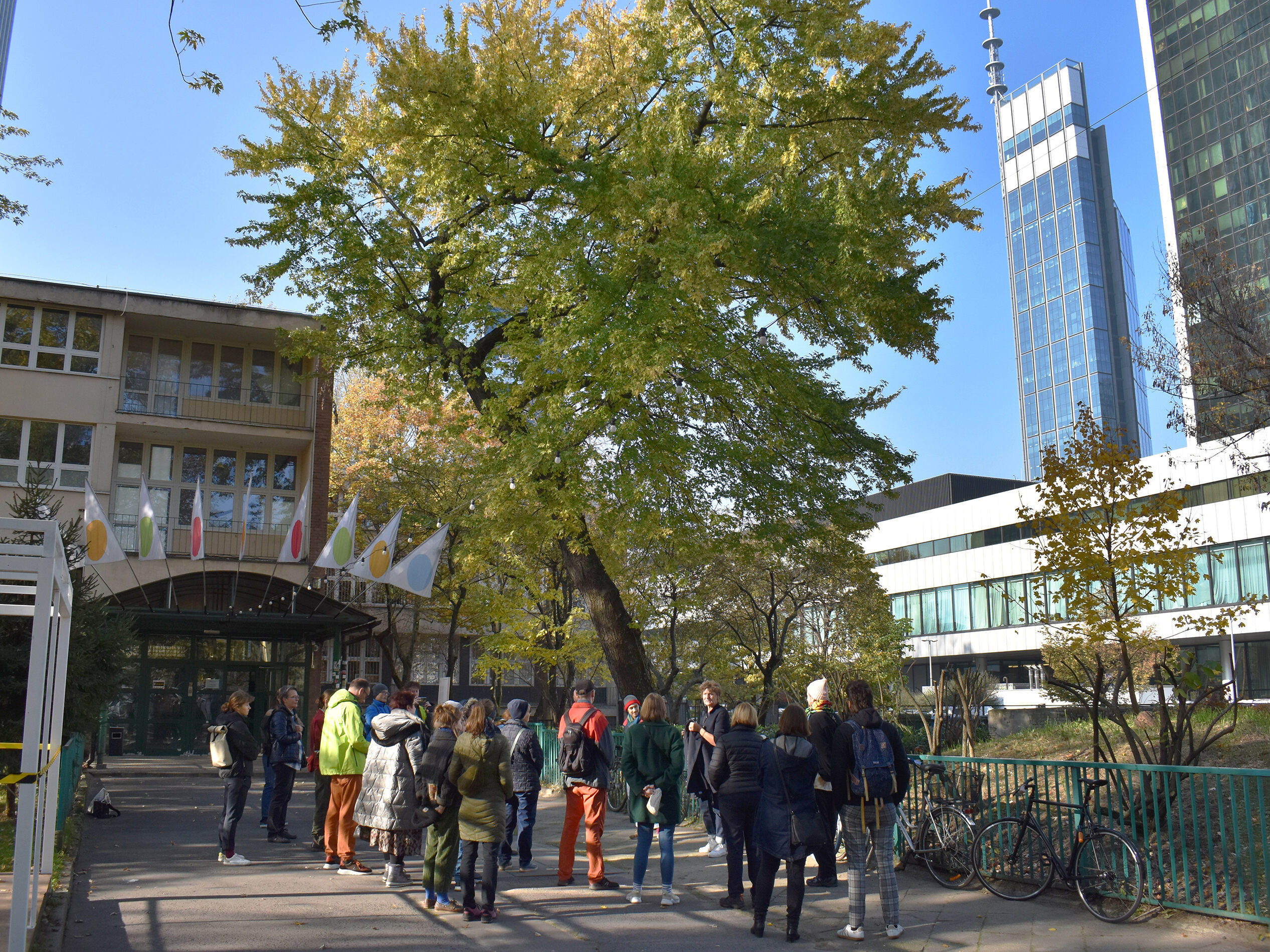
The contrast is tangible the moment you arrive. Glass and height outside, a repurposed school with human scale slightly off the main script inside. That friction and viscosity is part of the venue’s meaning. This is a place where the city’s flows meet resistance, where movement becomes contact, and where interpretation has time to adhere.